

Everest Base Camp Trekking Difficulty and Its Contributing Factors
Published On : 14th Feb, 2025 By Adventure

Everest Base Camp Trek Difficulty and the Factors That Influence It
Preparing for the Everest Base Camp Trek involves more than packing gear and planning an itinerary—it also requires understanding the difficulty level. As one of the world’s most iconic high-altitude trekking adventures, the journey to Everest Base Camp (EBC) is stunning but physically and mentally demanding. Although thousands successfully complete this trek every year, several natural and logistical elements contribute to the challenge.
This detailed guide explores the key factors that influence the difficulty of the Everest Base Camp Trek and helps you understand what to expect during the adventure.
1. Challenging High-Altitude Terrain
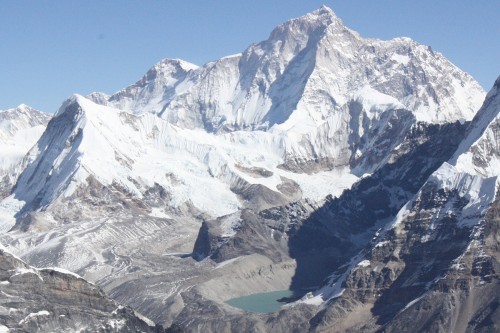
The EBC trail winds through rugged Himalayan landscapes filled with steep ascents, rocky paths, and endless staircases. The terrain often appears deceiving—your next destination may look close, yet the path takes longer due to the constant ups and downs.
You will trek across:
-
Steep ridges
-
Rocky trails
-
Glacial moraines
-
Narrow suspension bridges
-
Long stair sections
The uneven nature of the trail requires patience, resilience, and steady pacing.
2. Long Trekking Duration
Completing the Everest Base Camp Trek typically takes around 11–12 days from Lukla. Each day involves 5 to 6 hours of walking at increasingly higher altitudes.
Spending nearly two weeks in remote mountain terrain requires:
-
Consistent stamina
-
Mental endurance
-
Adaptation to slower walking speeds
-
Ability to adjust to changing weather
The prolonged duration, combined with high altitude, naturally adds to the difficulty of the adventure.
3. The Wilderness Experience
Trekking in the Himalayas is peaceful and breathtaking—but it also means being far from the comforts of urban life.
For many trekkers, the wilderness becomes challenging after several days.
You may experience:
-
Repetitive landscapes
-
Limited interaction with modern conveniences
-
A constant outdoors-focused routine
While the scenery is spectacular, spending extended time in remote areas may make some trekkers mentally fatigued. The remoteness is part of the adventure, but also part of the challenge.
4. Basic Amenities and Limited Comfort
The Everest region offers basic but functional teahouses for food and accommodation. However, amenities are limited because of the remote mountain location.
You may encounter:
-
Basic rooms with minimal heating
-
Simple meals
-
Limited electricity
-
Paid Wi-Fi
-
Paid hot showers
-
Intermittent mobile network
If you are accustomed to comfortable city living, adjusting to these conditions can be challenging.
5. High Altitude and Risk of Altitude Sickness
Altitude is the most significant challenge of the Everest Base Camp Trek.
You will reach:
The higher you climb, the thinner the air becomes, making each step more demanding. Symptoms of altitude sickness can affect anyone—regardless of age, experience, or fitness level.
Factors that make high altitude challenging include:
-
Reduced oxygen levels
-
Harder breathing
-
Slower pace needed
-
Increased fatigue
-
Potential headaches or nausea
Proper acclimatization days in Namche Bazaar and Dingboche are essential to minimize risks.
6. Flight Delays and Cancellations to Lukla
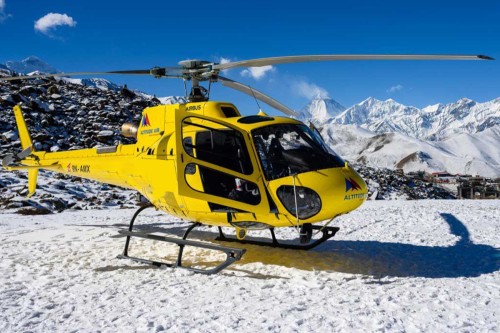
One major challenge trekkers underestimate is the unpredictable flight schedule to and from Lukla—the gateway airport to the Everest region.
Weather in Lukla changes rapidly, causing:
-
Frequent flight delays
-
Unexpected cancellations
-
Long waiting times at the airport
-
Occasional need to trek extra days or adjust travel plans
If your flights operate on schedule, consider it good fortune. The uncertainty of air travel adds a layer of difficulty to the trek.
Is the Everest Base Camp Trek Worth the Challenge?
Absolutely—yes.
The challenges are real, but so is the reward.
Standing at the base of the world’s highest mountain offers a sense of achievement few experiences can match. With proper preparation, physical training, and mental determination, the trek becomes not only possible but deeply fulfilling.
The same contributing factors—terrain, altitude, wilderness, and remoteness—are also present in variations like:
Recent From Blog


11th Jan, 2026

28th Jul, 2025


20th May, 2025

14th May, 2025


25th Apr, 2025

18th Feb, 2025


